The Masago is a common ingredient that has recently gained popularity among experts in sushi and Japanese cuisine connoisseurs. Easily distinguished by its vibrant color and its unique flavor and texture, it is enjoyed throughout the world both for its versatility and its powerful health profile.
Not only is it easy to add to a variety of recipes, but it also has a concentrated dose of protein, healthy fats and essential nutrients, such as vitamin B12, selenium, and magnesium.
Ready to see what else has this delicious ingredient to offer? Let’s look at the advantages and disadvantages of this unique ingredient and how you can add it to your diet.
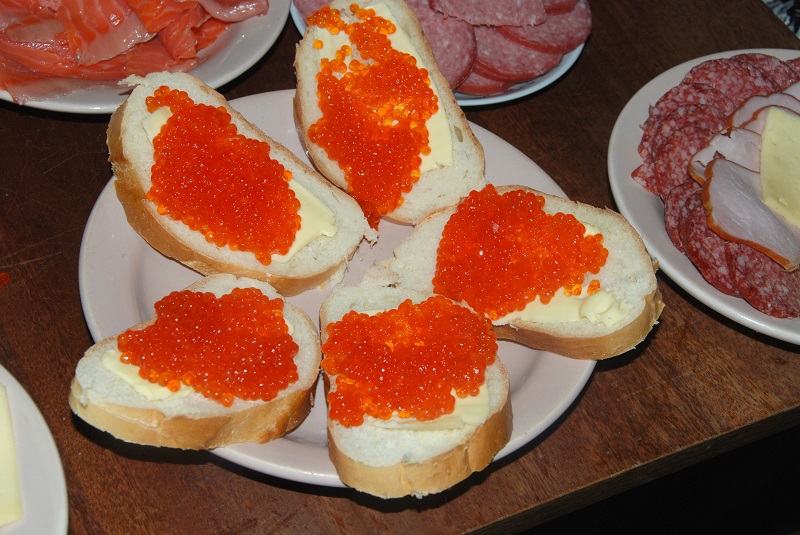
What is the Masago?
Masago, also called oyster roe, is a type of fish egg that comes from capelin, a species of fish found mainly in the North Atlantic, North Pacific and Arctic oceans. The capelin fish belongs to the fusion family and is an important forage fish that is considered a staple in the diets of Atlantic cod and other species such as the harp seal.
The meat of the capelin itself is not commonly consumed but is sometimes dried, roasted or salted. Instead, it is usually reduced to a meal or oil and used to produce fish feed or fertilizer.
Masago
The Masago is an excellent source of omega-3 fatty acids that provide a great variety of benefits
The Masago roe, on the other hand, is a common ingredient found in many traditional Japanese dishes. The small eggs have a sweet but tasty flavor and add a little more crunch to the dishes.
It can often be found in sushi recipes and Masago seafood alike, and can also be used to increase the flavor of sauces and sauces. In addition to being incredibly versatile, it is also known for its impressive nutrient profile.
In addition to being low in calories, each serving of Masago offers an abundant dose of protein, vitamin B12 , selenium, and magnesium, along with a long list of other important nutrients.
Benefits of Masago
Although Masago is generally consumed in small amounts, it contains a fairly extensive nutrient profile and can increase the intake of several key nutrients, including vitamin B12, selenium, and magnesium. It is also considered a nutrient dense food, which means that it contains a concentrated amount of these key vitamins and minerals for a low amount of calories. Here are some benefits of Masago:
1. Natural source of vitamin D
It is also one of the few natural food sources of vitamin D, an essential micronutrient that many do not consume. In fact, a deficiency in this important nutrient can contribute to a large number of symptoms of vitamin D deficiency, which include fatigue, depression, insomnia, and anxiety.
2. High in Omega-3
In addition, Masago is an excellent source of omega-3 fatty acids, which are a type of heart-healthy fat associated with a variety of benefits. Omega-3 fatty acids not only help support heart function, but they have also been shown to protect cognitive health, reduce inflammation and help control weight.
3. Low in mercury
It is also low in mercury and can be consumed safely, even during pregnancy. According to the American Pregnancy Association, pregnant women can safely enjoy Masago, along with other low-mercury shellfish options, such as salmon and tobiko.
However, there are some potential disadvantages that must be taken into account, in addition to several reasons why you may want to maintain your intake in moderation, including:
High sodium content
First, masago is relatively high in sodium, with 10 percent of the recommended daily value in a single scoop. For those who have high blood pressure or heart problems, reducing sodium intake is the key to controlling blood pressure.
Exaggerating sodium intake can also contribute to other health problems, and a high sodium intake has been associated with problems such as stomach cancer and bone loss.
Often combined with unhealthy ingredients
It is also most commonly found in sushi, a popular food that has the potential to be fraught with health problems. In addition to being usually full of farm fish, refined carbohydrates and questionable ingredients, the raw fish found in sushi also significantly increases the risk of parasitic infections and foodborne illnesses.
Decrease in population causing ecological concerns
In addition, the consumption of masago may also be linked to some ecological concerns. In fact, the Department of Fisheries and Oceans recently reported that the stock of capelin had decreased by 70 percent between 2015 and 2018, which is attributed largely to environmental problems rather than to overfishing.
However, that does not mean that fishing does not contribute to the problem. According to some researchers, fisheries often target egg-carrying fish, expel the delicate ecosystem and contribute to the decline of capelin stocks.
This not only essentially eliminates the next generation of capelin, but also decreases the food supply for large predatory fish that depend on species such as capelin to survive.
Masago Nutrition
Masago is low in calories but contains a good amount of healthy proteins and fats. It also contains many important nutrients, such as selenium and magnesium, and provides more than 50 percent of the recommended daily intake of vitamin B12 in each serving.
One tablespoon (16 grams) of Masago contains approximately:
- 40.3 calories
- 0.6 grams of carbohydrates
- 3.9 grams of protein
- 2.9 grams of fat
- 3.2 micrograms of vitamin B12 (53 percent DV)
- 10.5 micrograms of selenium (15 percent DV)
- 48 milligrams of magnesium (12 percent DV)
- 1.9 milligrams of iron (11 percent DV)
- 240 milligrams of sodium (10 percent DV)
- 37.1 international units of vitamin D (9 percent DV)
- Riboflavin 0.1 milligrams (6 percent DV)
- 0.6 milligrams of pantothenic acid (6 percent DV)
- 57 milligrams of phosphorus (6 percent DV)
In addition to the nutrients listed above, but also it contains a small amount of calcium, vitamin B6 and vitamin.
Uses and where to find Masago
Although it has increased in popularity in recent years, it can still be a bit difficult to find and may require you to venture beyond your corner grocery store.
Asian specialty stores or fish markets are your best option to get a fresh masago rating, but you can also find it in certain online stores if options are limited in your area.
Although masago sushi is the most popular way to enjoy this delicious treat, the potential uses of these eggs extend beyond sushi. It is a basic ingredient in Japanese cuisine and can be used to prepare seafood pasta, bowls or rice dishes.
In addition, some people also mix mayonnaise with sriracha and a few tablespoons of masago to make a spicy sauce for sushi rolls or dipping.
History of Masago
The consumption of fish eggs dates back to the 4th century BC when caviar produced from sturgeon eggs was commonly served in banquets. It was even considered a delicacy and enjoyed as a luxury item in ancient Greece, Rome, and Russia.
Although caviar was originally produced from fish of the wild sturgeon family, there are many other convenient and affordable options available to enjoy roe, such as salmon roe, tobiko, and masago.
While masago can be added to a variety of recipes, it is most often found in sushi, a principal in Japanese cuisine that dates back thousands of years.
Although sushi has evolved over time and has taken many different forms, the style of sushi that most people are familiar with arose around the 1750s after the invention of nori leaf-shaped seaweed. Other types of sushi, such as nigirizushi, did not appear until years later in the 1820s.
Today, these eggs are considered a popular alternative to tobiko and are commonly enjoyed in everything from sauces to seafood dishes and more. In addition to providing a tasty flavor and a crunchy texture to foods, it can also increase the nutritional value of your favorite recipes.
Precautions of Masago
Allergic reactions to fish eggs, such as masago, are rare, but have been reported. If you experience any negative food allergy symptoms such as hives, itching or swelling after eating this food, stop using it immediately and consult your doctor.
In addition, these eggs have a high sodium content, accumulating approximately 10 percent of the recommended daily value in a single spoonful.
Exaggeration in foods high in sodium has been linked to many adverse health effects, so be sure to keep your intake in moderation if you have high blood pressure, heart problems or kidney problems.
Be sure to also store the Masago properly to keep it fresh longer and reduce the risk of foodborne illness. In general, it is recommended to keep it frozen and move it to the refrigerator only when you are ready to use it.
It can last up to six months in the freezer but stays fresh only three to four days in the refrigerator.
Differences between Masago and Caviar
Masago may be one of the most popular roe varieties, but it is not the only type available. In addition to masago, tobiko and caviar are two other common ingredients that are enjoyed for their unique flavor and extensive nutrient profile.
Most of us are familiar with caviar, but what is tobiko? Tobiko is also a type of roe, but it comes from fish of the family Exocoetidae, or flying fish; It is small and orange-red with a distinctive smoke flavor.
When comparing the masago against the tobiko, it is observed with the naked eye that the masago is cheaper and a little smaller, with a more subtle flavor and a little less crispy.
However, like the masago, the tobiko is incredibly versatile and can be used in many different recipes, including egg sushi. And because the tobiko is a little more expensive than the masago, the two are used interchangeably in the dishes.
Meanwhile, the term caviar typically refers to a delicacy derived from the eggs of any fish of the family Acipenseridae or wild sturgeon. However, other more affordable varieties are also available and are produced from species such as salmon or American rowing. The eggs are usually cured with salt, they can be served fresh or pasteurized and enjoyed as they are, along with a biscuit or bread or as garnish or appetizer.
However, there are many concerns about the sustainability of traditional caviar derived from fish such as Beluga sturgeon, to include it in the list of fish you should never eat.
Final thoughts
- The masago, sometimes called oyster roe, is a type of fish egg that comes from capelin.
- Although generally consumed in small quantities, it contains a good amount of proteins, omega-3 fatty acids, vitamin B12, selenium, and magnesium.
- However, it is also relatively high in sodium, so it is best to keep your intake in moderation if you have a history of hypertension, heart problems or kidney disease.
- Usually, it is also combined with unhealthy ingredients, such as in sushi, and there are some concerns with regards to sustainability.
- It has a tasty and mild flavor that works well on many dishes. Try adding this energetic food full of nutrients to spring rolls, sauces or seafood pasta to take advantage of its unique flavor and nutrient profile.
You can see on the video – Raspberry Masago Sushi Roll – Recipe

 Talking Your Time